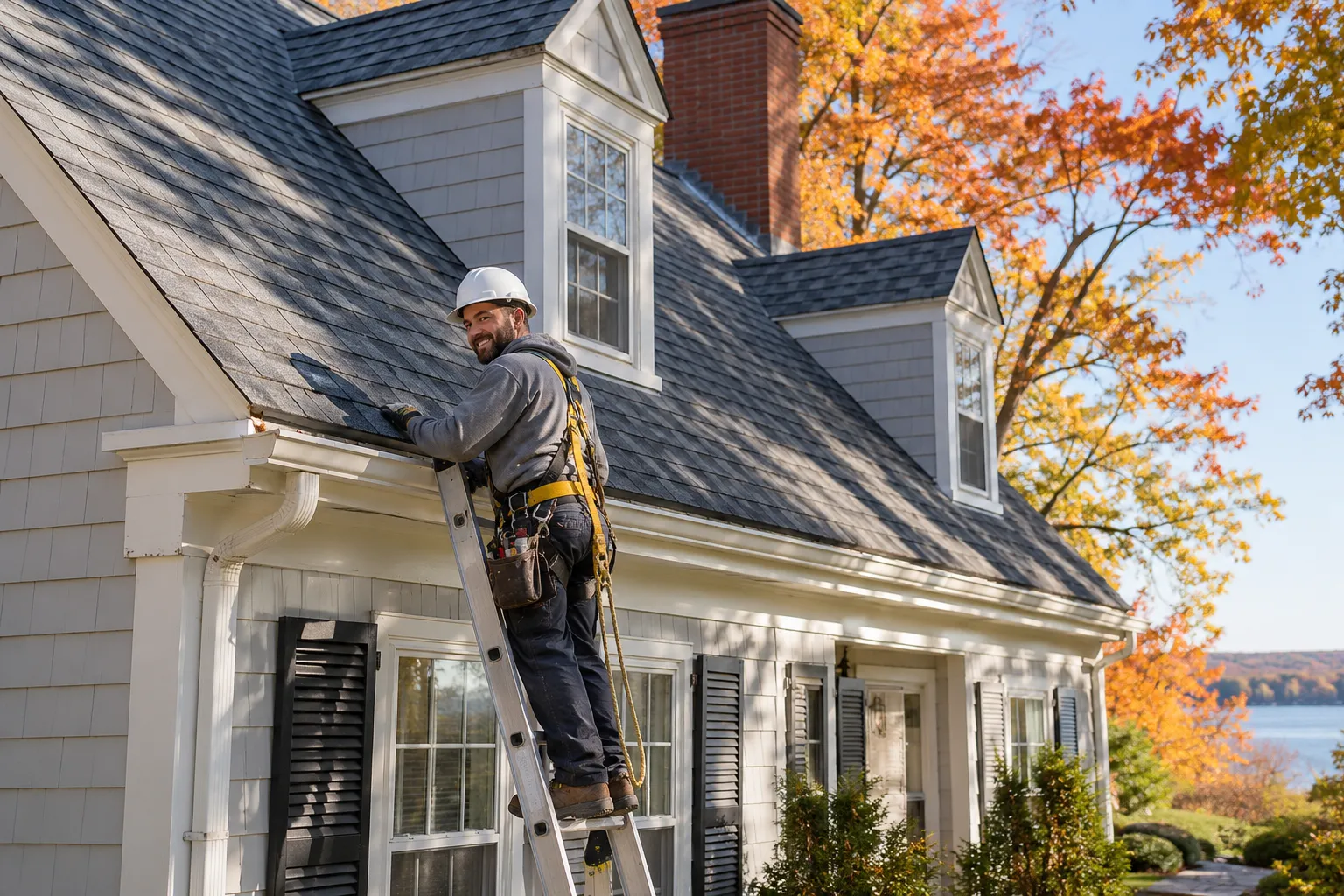
Start With Roof Safety
A roof that leaks, sags or sheds shingles is a safety issue, not just an annoyance. Wet insulation, soft decking and stained ceilings can turn into bigger problems if they are ignored. If you live in California, PA, or anywhere in the California area, this page helps you take the next step calmly.
Concentrationboots Roofing is a referral service. It connects homeowners with independent local roofing contractors who handle full roof replacement, roof repair and storm damage work. The provider does the work. Concentrationboots Roofing helps you reach one.
Here is what to do first:
- Do stay on the ground, and keep everyone away from sagging ceilings.
- Do move valuables away from drips and place a bucket under them.
- Do take photos from the ground or from inside the attic.
- Do not climb onto a wet, icy or windy roof to patch it yourself.
Then talk to a provider. Request a callback to check provider availability in your area, or use the request form to ask for an estimate.
Get Started
How It Works
What this service is
Concentrationboots Roofing is not a roofing company. It does not employ roofers and it does not do the work. It is a referral service. You describe your roof, and you are connected with an independent provider in our network who serves your part of the California area.
That keeps things simple. You get a starting point for local roofing contractors without sorting through dozens of listings alone.
The steps
- Request a callback or send the request form.
- Describe the roof: its age, its material and what you have noticed.
- A provider in our network reaches out to talk through the job.
- The provider inspects the roof and gives you a written quote.
- You decide. You are never obligated to hire anyone.
Contracts, permits, schedules and warranties are between you and the provider. Ask for every promise in writing.
Why replacement comes first
Replacement is the main focus here. A roof near the end of its life is often a better investment than a long string of patches. If shingles are curling, granules are piling up in the gutters, or leaks keep coming back, a new roof may be the sounder choice. A provider can look at the roof and tell you which path fits your house.
Seasons shape the schedule
In California, winter brings snow load and repeated thaw cycles. Spring brings snowmelt. Coastal storms can arrive at almost any time. Roofing work needs dry, workable weather, so the calendar matters. Asking early gives you more choices on timing.
Serving the California area Homeowners
Homes across the California area face a hard mix of weather. Winters are cold and snowy. Ice builds up at the edges, then thaws, then builds again. Spring snowmelt tests every seam and flashing. Coastal storms add wind and driving rain.
The housing is just as varied. Older homes are common, including Cape Cod style houses, multi-family buildings and homes with stone or block foundations and full basements. Each type has its own roof shape, pitch and weak spots. A provider who works nearby will know what local roofs go through.
When you reach out, mention the roof type, the age of the house and any past repairs you know about. That helps a provider prepare for the visit and give a more useful quote.
If you are not sure whether you need a repair or a full replacement, that is a normal place to start. Ask a provider to explain the options in plain words, and request the findings in writing.
Get Started
Local Roof Safety Guide
Older homes need extra care
Many houses here are decades old. They may hide several layers of shingles, thin decking and patch jobs from past owners. A provider may find surprises once the old roof comes off. Ask how rotted boards will be handled and priced before work starts.
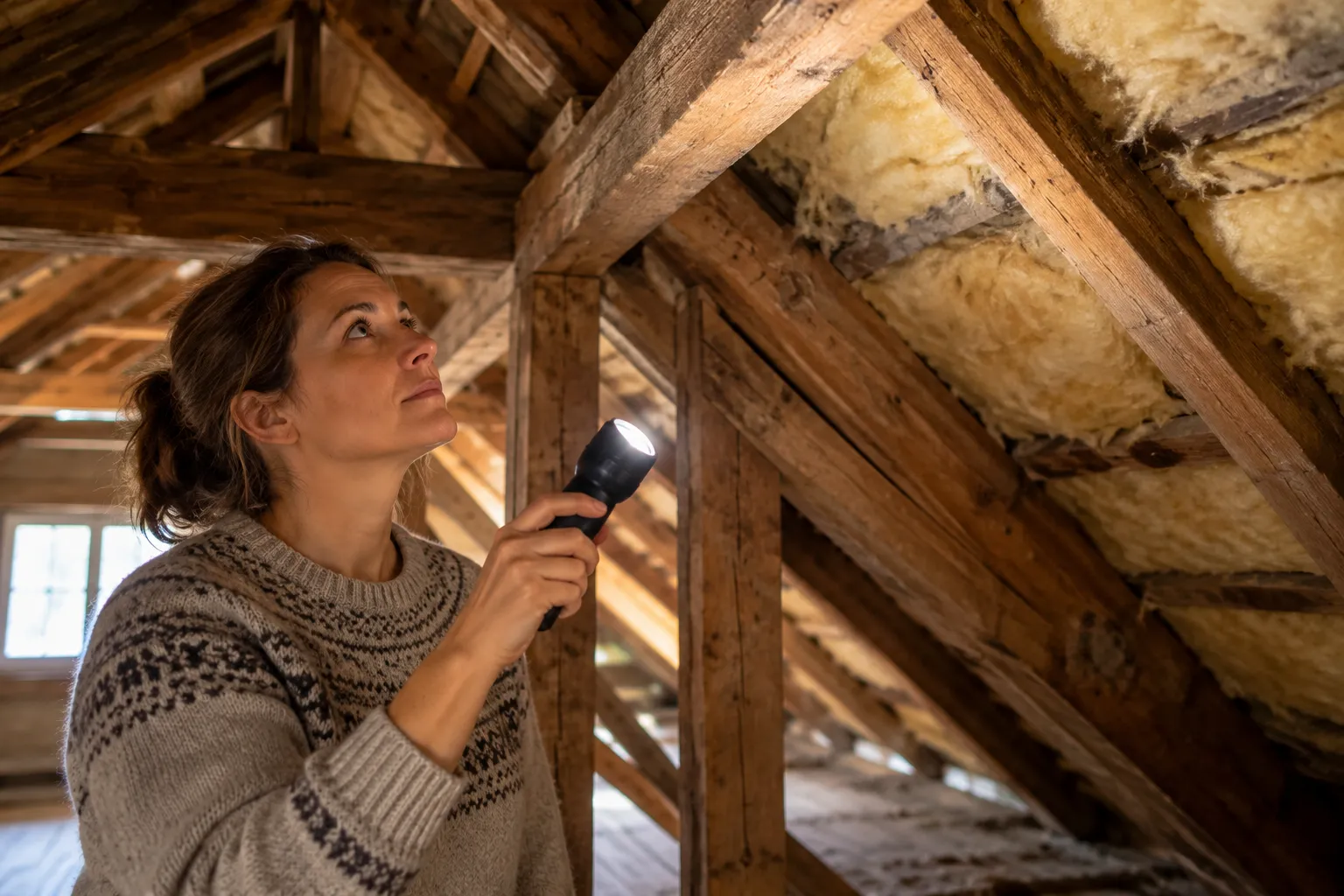
Do check the attic
Look for damp insulation, daylight through boards, dark stains and a musty smell. Use a flashlight, and step only on solid framing. Do not walk on bare insulation.
Do not go up in bad weather
Snow, ice, rain and wind make roofs slippery. Falls cause serious injuries. Look from the ground with binoculars or a phone camera.
Winter and snowmelt
Ice at the eaves can push water under shingles. Do not chip ice with a hammer or shovel, because you can tear the roof surface. A provider can look at ventilation and insulation, which often drive ice buildup.
Storm damage repair
After a coastal storm, check for missing shingles, bent flashing and debris. Take dated photos. Tarping is often a short-term step. Ask a provider about temporary protection rather than climbing up yourself.
Hail damage roof replacement
Hail can bruise shingles and loosen granules without obvious holes. Dents on gutters and vents are a clue. A provider can inspect the roof and tell you whether replacement makes sense.
When it feels like an emergency
Active leaks, a sagging ceiling or a tree on the roof need prompt attention. For emergency roof repair, request a callback to check provider availability, and keep family out of any room with a bulging ceiling.
Typical costs
In the U.S., a full asphalt shingle replacement on an average home often runs from about $6,000 to $15,000 or more. Small repairs often run from a few hundred dollars to a couple thousand. Prices vary by roof size, pitch, materials and hidden damage. Always get a written quote.
Insurance and paperwork
Some policies may cover sudden damage, such as storm or hail. Check your policy. Providers can often help document damage for a claim.
Choosing local roofing contractors
Ask for a written scope, material details, a clear start window and how cleanup is handled. Do not pay the full price upfront. Do not sign under pressure.
Ask About Your Roof
Ready to talk about your roof? Share a few details about the age of the house, the material and what you have noticed. A provider in our network can then follow up about timing and a written quote.
Request a callback to check provider availability, or use the request form. There is no obligation, and you choose whether to move forward.
Get Started